I want to start with a confession. A few years ago, every time I opened the "Analytics" tab on a dashboard, I felt a physical tightening in my chest. It was that familiar, prickly heat of shame. I felt like I was supposed to understand the graphs, the zig-zags, and the percentages, but all I saw was a digital wall of noise. I felt like a fraud. I’m a storyteller, a maker, a person who cares about people—not a "data person."
If you’ve ever looked at your Shopify reports and felt more confused than empowered, I want you to take a deep breath. You are not alone. We’ve been told that data is cold, hard, and clinical. But here is the truth we’re leaning into for 2026: Data is just a collection of human stories waiting to be told.
When we look at our shop’s analytics, we aren't just looking at numbers. We are looking at the digital footprints of people searching for connection, for solutions, and for a little bit of joy. Turning that raw data into a blog strategy isn’t math; it’s alchemy. It’s the process of taking the leaden weight of spreadsheets and turning it into the gold of organic traffic and genuine customer trust.

The Courage to Look: Why "Big Data" is Actually About Small Moments
In the world of 2026 e-commerce, we are drowning in information but starving for wisdom. We’ve been taught to chase "Big Data," but I want to challenge us to look for "Brave Data." Brave data is the information that tells us exactly where our customers are hurting or what they are dreaming about.
Your Shopify "Top Online Store Searches" report? That’s not a list of keywords. It’s a list of questions your customers are asking you when they think no one is listening. If someone types "how to wash linen" into your search bar, they aren't just looking for a manual. They are expressing a fear of ruining something they love. They are asking for your permission to feel confident in their purchase.
When we use Shopify data-driven SEO, we stop guessing what people want and we start listening to what they are already telling us. It takes courage to look at the data and realize that the things we thought people cared about (like our fancy mission statement) aren't what they are actually searching for (like "how to fix a stuck zipper").
"The numbers represent the pulse of your community. If we don't listen to the heartbeat, we can't write the song."
Takeaway: Celebrate the Clues
Pick one "Search Term" from your Shopify dashboard today. Don't look at the volume. Look at the intent. What is the human emotion behind that search? That’s your next blog post title.
Predictive Content Marketing: Being the Friend Who Knows What You Need
Have you ever had a friend show up at your door with a coffee exactly when you were about to have a meltdown? That’s predictive empathy. In 2026, predictive content marketing is the digital version of that coffee.
We use our historical data to see patterns. If we know that 40% of our customers who buy a "Starter Skincare Kit" in January come back to look for "Heavy Duty Moisturizer" in March, we don't wait for them to search for it. We write the blog post in February. We meet them at the gate of their need.
This isn't about being "creepy" or "algorithmic." It’s about being attentive. By the time 2026 rolls around, Google’s AI search will be so sophisticated that it won't just look for keywords; it will look for the most helpful, most timely answer. When we use our Shopify analytics to anticipate these seasonal shifts, we aren't just doing SEO. We are practicing hospitality.
Related reading: The 100-Day Window: Why Your 2026 Shopify Growth Happens When You’re Not Looking
The Contrarian Take: Stop Obsessing Over "Unique Visitors"
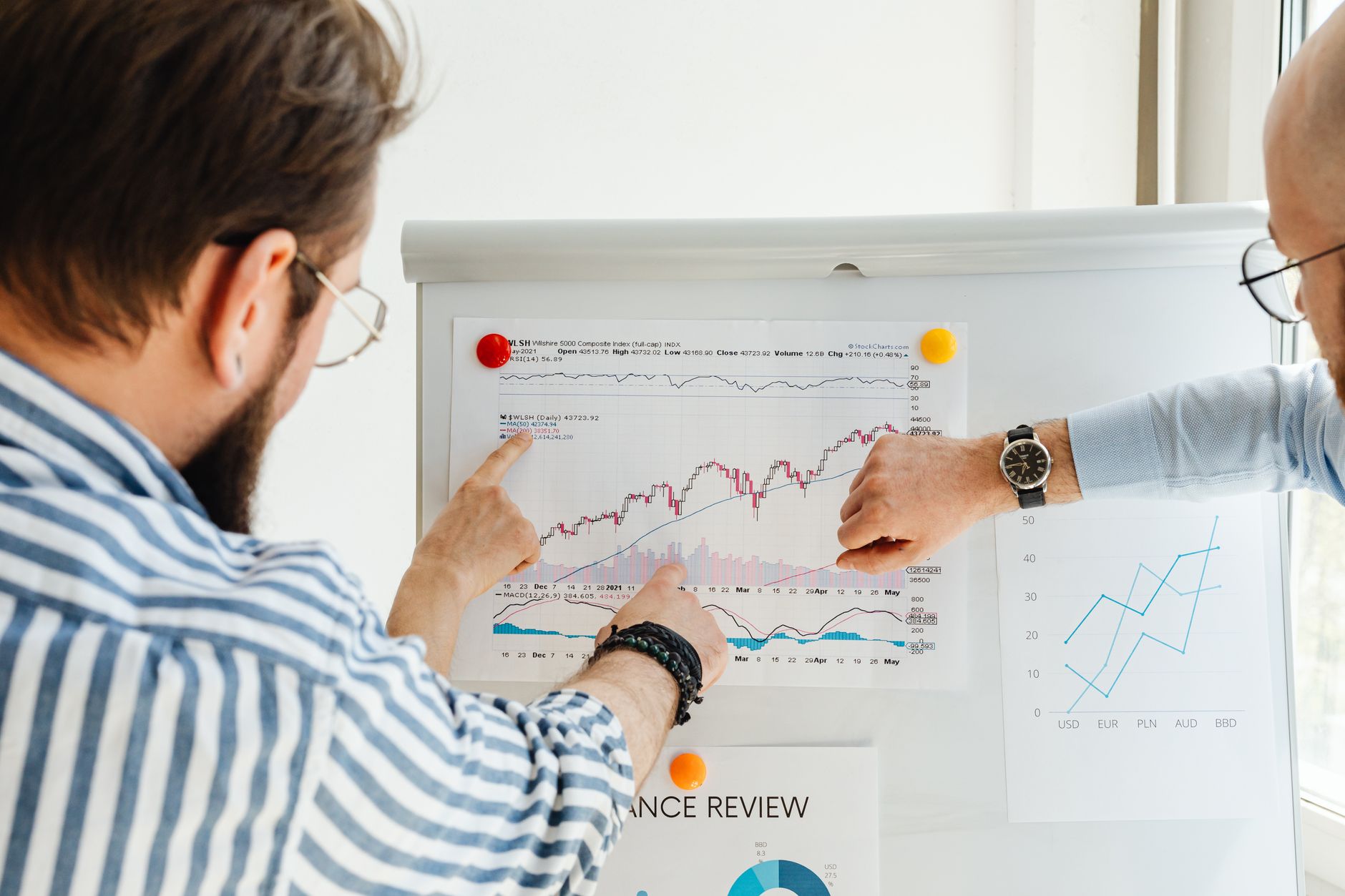
I’m going to say something that might make some SEO experts a little twitchy: Your total traffic number is a vanity metric. It’s a mask. We can have ten thousand visitors, but if none of them feel seen, heard, or helped, we haven't actually built a business. We’ve just built a crowd.
In e-commerce analytics 2026, the metric that matters is Meaningful Interaction. Are they clicking through to a product? Are they staying on the page for more than 30 seconds? Are they clicking the internal links we’ve so carefully placed?
If your data shows you have a blog post with 5,000 views but a 99% bounce rate, that’s a signal of a "shame-filled" content experience. It means you promised them something in the title and didn't deliver in the text. Instead of trying to get 5,000 more people to that page, let's have the vulnerability to admit the post isn't working and fix the heart of it.
According to Shopify's own guide to analytics, understanding your conversion rate by traffic source is vital. If your blog traffic converts at 0%, but your social traffic converts at 5%, your blog isn't failing—your content-to-product bridge is missing.
Takeaway: Quality over Quantity
Find your most-visited blog post. Now, add one clear, helpful link to a product that solves the specific problem discussed in that post. That is a small win that leads to big trust.
Translating "Data Speak" into "Human Speak"
So, how do we actually do this? How do we take a Shopify blog strategy and make it feel like a real person wrote it while still satisfying the Google robots? It’s a bit like a dance. One foot is in the data, the other is in the human experience.
- The Data says: "High search volume for 'Eco-friendly yoga mats'."
- The Human says: "I want to work out, but I'm worried about the chemicals in my home and the planet my kids will inherit."
- The Blog Post becomes: "Why Your Yoga Practice Doesn't Have to Cost the Earth: A Guide to Non-Toxic Mats."
See the difference? We used the data to find the topic, but we used our hearts to find the headline. This is how we win in 2026. We don't just optimize for search engines; we optimize for souls.
Related reading: The Van Meegeren Trap: Why Your Shopify Store’s Authority in 2026 Depends on Being 'Imperfectly' Human
The Courage to Automate (Without Losing Your Soul)
I hear you. I can practically hear the collective sigh through the screen. "Brené, this sounds lovely, but I am running a business, packing boxes, and trying to remember to drink water. I don't have time to be a data alchemist!"
This is where we have to talk about the "Merchant's Dilemma." We want the growth, but we are terrified of the burnout. We want the SEO, but we don't want to sound like a robot.
Automation isn't the enemy of heart; it’s the tool that gives us the space to have heart. When we use tools that can analyze these trends and generate the first draft of our story, we aren't "cheating." We are being smart stewards of our energy. The key is choosing tools that understand the nuance of human intent.
Related reading: The Courage to Automate: Scaling Your Shopify Traffic in 2026 with Heart
FAQ: Rumbling with Your Reports
Why do my Shopify analytics look different from Google Analytics?
Oh, friend, this is the question that keeps us all up at night! Every platform has its own way of "counting" a human being. Think of it like this: Shopify is counting the people who walk into your store and look at the price tags. Google is counting the people who walked past your window and glanced in. Both are true; they are just looking from different angles. Don't let the discrepancy make you feel like you're doing it wrong.
What is the most important data point for 2026 SEO?
If I had to pick just one, it would be "Search Intent Fulfillment." Basically: Did the person find what they were looking for? You can see this in your "Average Time on Page." If people are spending three minutes reading your blog, you are winning. You are building a relationship. Google notices that kind of "dwell time" and rewards it.
How often should I look at my data?
Don't check it every day. That’s a recipe for anxiety, not insight. Data needs time to breathe. Check it once a month. Look for the themes. Look for the whispers. If you check it daily, you’re just looking at the weather. If you check it monthly, you’re looking at the climate.
Can AI really understand my brand's voice?
AI is a mirror. If you give it a clear sense of who you are and what you value, it can reflect that back to you beautifully. The trick is to use tools that are built specifically for the Shopify ecosystem, rather than generic tools that don't know the difference between a "product collection" and a "collection of stamps."
Final Thoughts: You Are Enough (and Your Data Proves It)
At the end of the day, predictive content marketing isn't about being a tech wizard. It’s about being a human who cares enough to look at the clues. It’s about the vulnerability to say, "I don't know what to write next," and the curiosity to let your analytics show you the way.
We are all just trying to find our people in this big, noisy digital world. Your data is the map that helps your people find you. Treat it with kindness, look at it with courage, and use it to tell stories that matter.
If you find yourself feeling overwhelmed by the sheer volume of stories you need to tell, remember that you don't have to carry the whole load yourself. If you want to put this data-driven strategy into practice without the crushing time commitment, that's exactly why we built Rank My Shop. We help you turn those analytics into optimized, beautiful posts so you can get back to the parts of your business that set your soul on fire. Check it out on the Shopify App Store whenever you're ready.
Stay brave. Stay curious. And keep sharing your light.